 Current Context (February 1, 2026)
Ongoing violence despite ceasefire efforts
• Israel and armed groups in Gaza remain in conflict even as parts of the Rafah border crossing with Egypt are being reopened — a rare move aimed at humanitarian access and security testing.
• Recent Israeli military operations in Gaza have resulted in dozens of deaths, including civilians, with Palestinian health officials reporting high casualties during these strikes.
Regional escalation risks
• Iran and its leadership have openly issued warnings of military readiness and have been linked with tensions that could involve attacks or threats against Israel and U.S. interests.
• A Washington Post report highlights concerns about Iranian missile capabilities in the Persian Gulf that could pose risk to regional bases and interests.
Impact inside Gaza
• International reporting notes that Israeli airstrikes have killed dozens in Gaza, including police officers and families, amid accusations of ceasefire violations and retaliation for militant actions.
 What This Means on the Ground
1. It’s not a simple “attack on Israel 15 minutes ago”
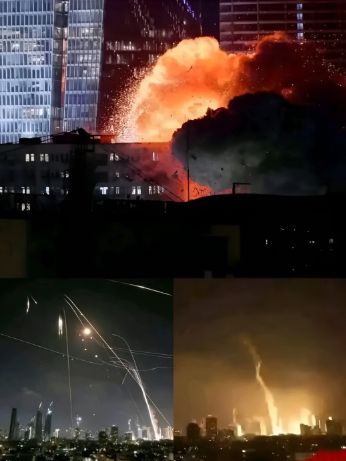
There is no verified global breaking report at this exact second about a new large-scale missile barrage or major strike at Israel “15 minutes ago” as the headline you quoted suggests. If such an event were occurring and widely confirmed, it would be reported simultaneously by major reliable news agencies (Reuters, AP, BBC, Al Jazeera, etc.) — and we don’t have that at this moment. Instead, we have sustained escalation patterns and renewed hostilities. See news list.
2. Gaza conflict is active and deadly
The ceasefire between Israel and Hamas remains fragile, and military exchanges — especially airstrikes and counter-strikes — have killed many people, particularly in Gaza.
3. Wider Middle East tensions continue
Iran is publicly stating military readiness and has been a focal point of broader conflict discussions with the U.S. and Israel. Regional dynamics — including missile ranges, allied groups, and strategic alliances — add complexity and risk of wider escalation.
 Why You Might Be Seeing That Headline
Headlines like “Israel under attack” often circulate on social media or lesser outlets before confirmation from verified sources. These posts can spread quickly — sometimes based on early reports, misinterpreted alerts, or rumors.
Reliable real-time reporting takes a bit longer because journalists verify multiple sources and official statements. At this moment, major international outlets have not verified a new major attack within the past minutes — but they are reporting continued violence and heightened tensions.
 Broader Background (Why This Matters)
The conflict between Israel, Hamas in Gaza, and various regional actors has been ongoing for years:
-
The October 7, 2023 Hamas attack triggered intense war and casualties on both sides.
-
Fragile ceasefires have been periodically negotiated and broken.
-
Iran, Hezbollah, and other allied groups have sometimes been involved directly or through proxies, increasing fears of wider conflict.
-
Civilians on all sides have suffered heavy casualties and humanitarian crises.
This long-term context shows why periodic flare-ups — and their social-media echo — are common.
(Data from multiple historical reports and coverage of past strikes and ceasefires.)